
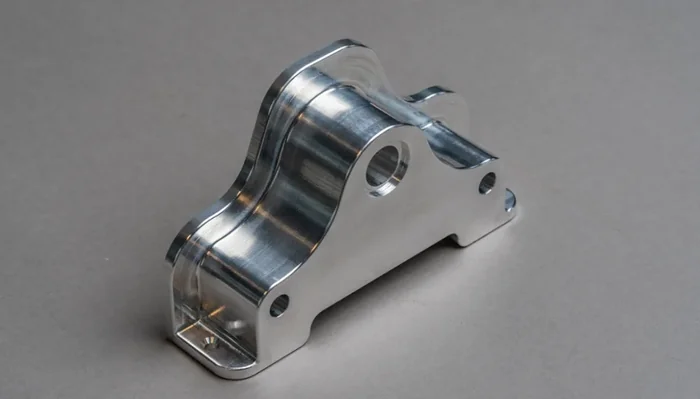
Custom Vacuum Casting Services
High-quality vacuum casting for producing small batches of functional prototypes and end-use parts with production-grade materials and surface finishes.
GET A FREE QUOTECapabilities for Vacuum Casting Services
Master Pattern Making
High-precision master patterns created via CNC machining or 3D printing to ensure accurate mold replication.
Get a QuoteSilicone Mold Casting
Flexible silicone molds that capture intricate details and allow for easy demolding of complex parts.
Get a QuoteUrethane Resin Casting
Casting with various polyurethane resins that mimic production-grade plastic properties including ABS, PC, and PP.
Get a QuoteWhy Choose Us
Experienced Vacuum Casting Manufacturer
Years of expertise in vacuum casting, ensuring high-quality parts with consistent results.
Material and Finish Options
Available materials, colors, and surface finishes are reviewed against the part and project requirements.
Effortless Hassle-Free Delivery
Streamlined process from order to delivery with clear communication at every step.
Reviewed Supplier Network
Supplier selection and incoming checks are aligned with project requirements.
Our Vacuum Casting Factory
Our Maoming facility supports vacuum casting by using silicone molds and liquid casting resins to reproduce prototype details, colors, textures, and selected material characteristics.
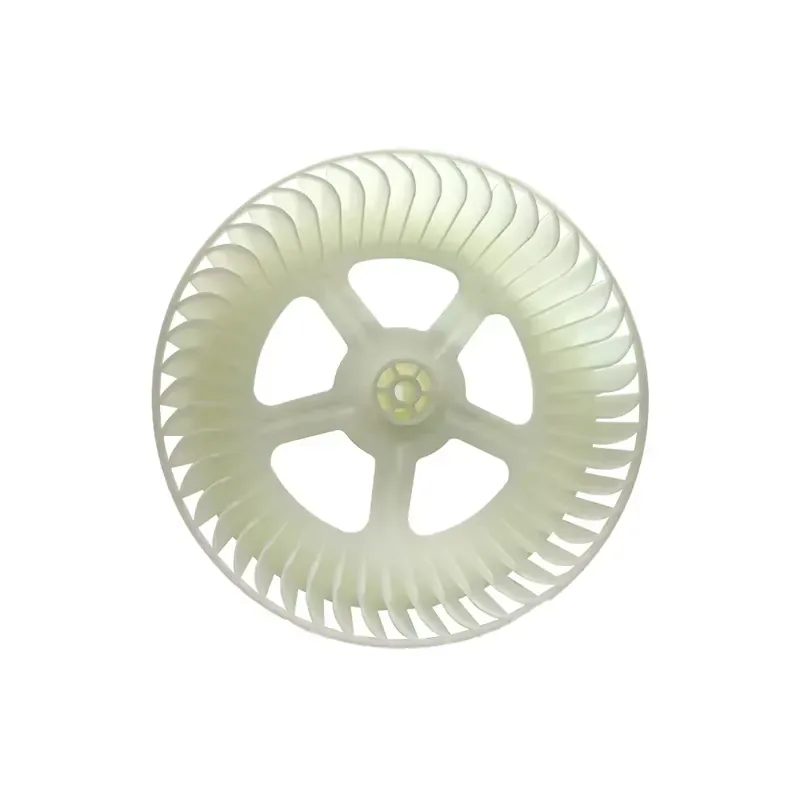
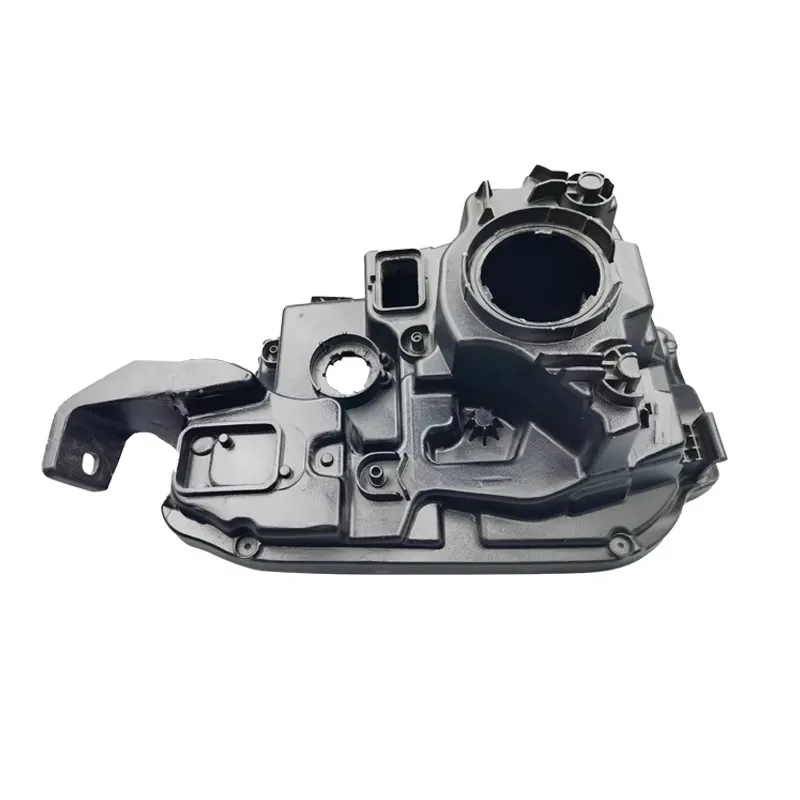
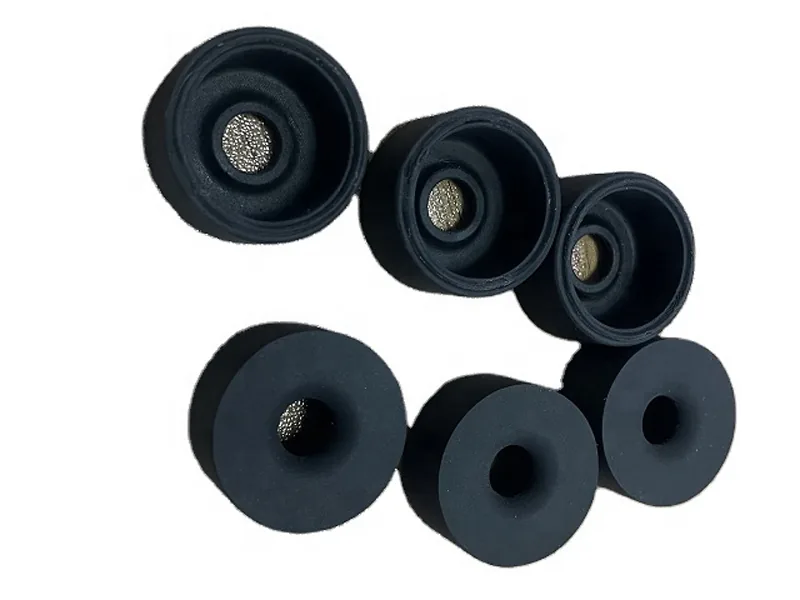
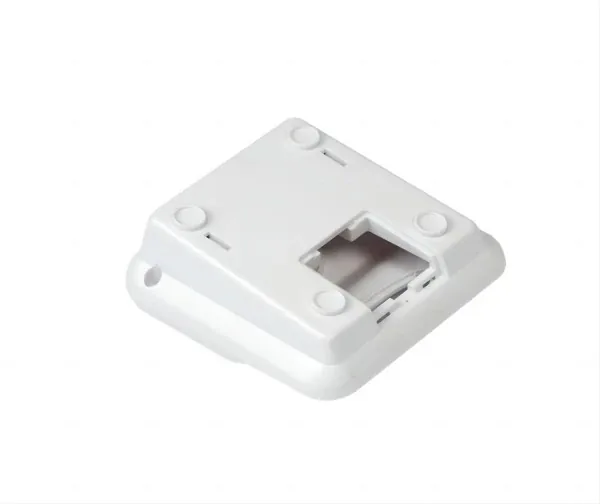
Parts Gallery for Urethane Casting Services
ABS-like Resin
ABS-like polyurethane resin with good impact resistance and surface finish for functional prototypes.
Vacuum Casting Surface Finishes
| Surface Finish | Color | Description | Materials |
|---|---|---|---|
| As Cast | Natural | Smooth finish directly from the silicone mold, replicating the master pattern surface. | All Resins |
| Painted | Any RAL Color | Spray painting for precise color matching and improved appearance. | All Resins |
| Textured | Custom | Applied texture for grip or aesthetic purposes. | All Resins |
| Polished | High Gloss | Mechanical polishing for a glossy, smooth surface finish. | All Resins |
Tolerances for Vacuum Casting
| Specification | 3-Axis / Standard | 4-Axis / Precision | 5-Axis |
|---|---|---|---|
| Linear Tolerance | ±0.05 mm per 25 mm | N/A | N/A |
| Angular Tolerance | ±0.5° | N/A | N/A |
What is Vacuum Casting?
Vacuum casting (also known as urethane casting) is a manufacturing process where liquid resin is cast in a silicone mold under controlled vacuum conditions. It is commonly considered for small batches of detailed prototypes or end-use parts before production tooling is appropriate.
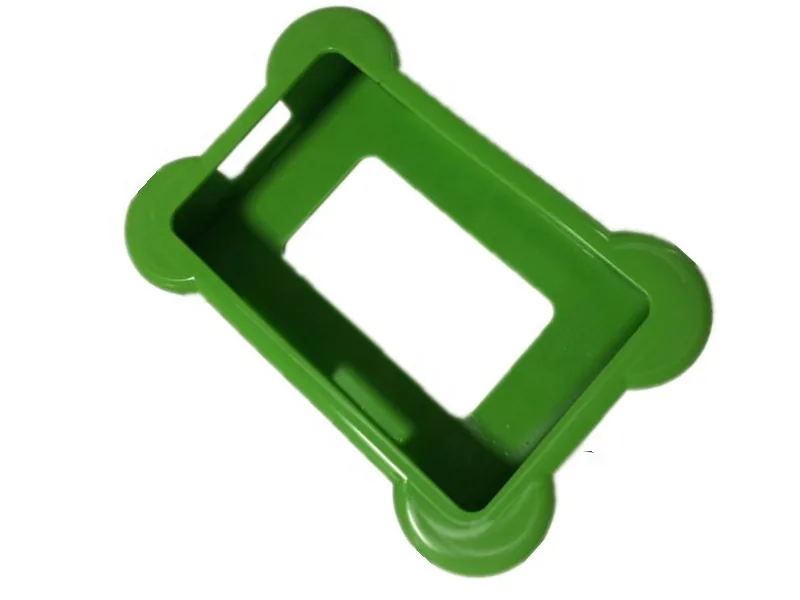
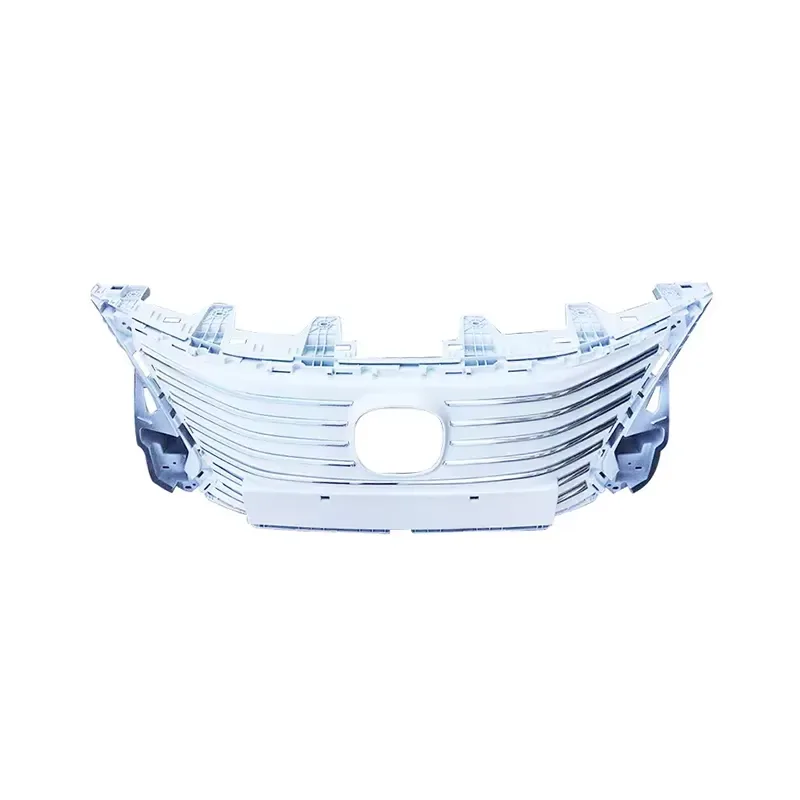
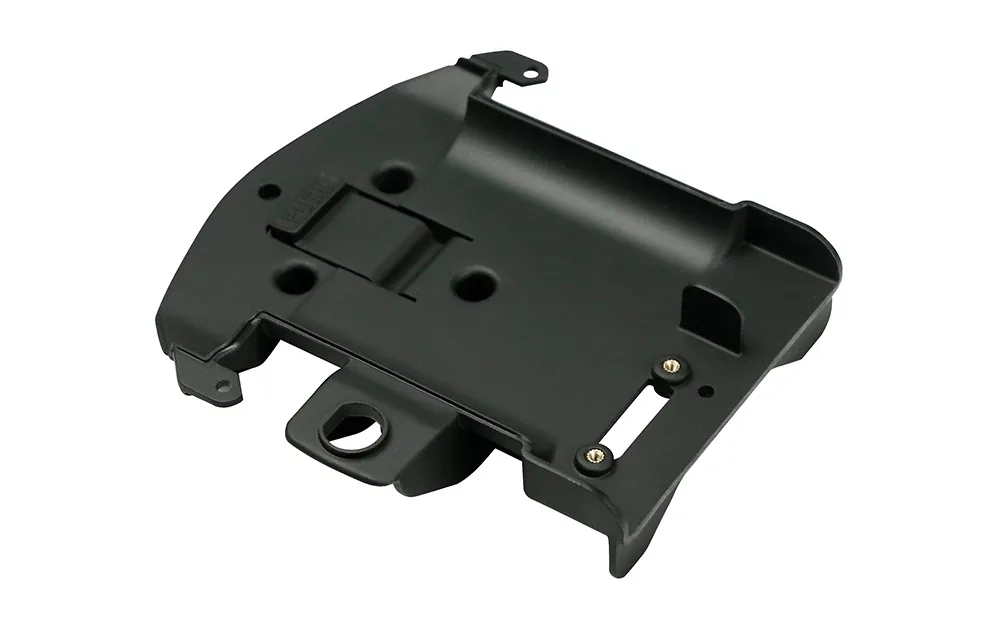
Parts Gallery for Urethane Casting Services
How to Work with Be Honest Precision
Share Project Details
Send your project requirements through our enquiry form. Drawings can be shared by email after we acknowledge your enquiry.
Quote & DFM Analysis
Receive a quotation and Design for Manufacturability (DFM) feedback after the supplied project information has been reviewed.
Order Confirmation
Once you’re satisfied with the DFM report and quote, confirm the order to begin production.
Start Production
On order confirmation, production begins. Throughout the process, we’ll keep you updated on progress.
FAQs
Is vacuum casting cheaper than 3D printing?
How does vacuum casting differ from injection molding?
What is the maximum part size for vacuum casting?
What are the benefits of vacuum casting for prototyping?
Is vacuum casting permanent?
What is the typical lifespan of a vacuum-casting mold?
What is vacuum casting used for?
How accurate are vacuum-cast parts?
What is the vacuum casting process?
What is the cost of vacuum casting compared to other methods?
Ready to Get Started?
Share your project details through the enquiry form. Drawings can be sent by email after acknowledgement. Formal quotation timing depends on project complexity and drawing completeness.
*All prices are subject to change. Prices may vary depending on material, complexity, quantity, and delivery time.
Get A Free Quote